
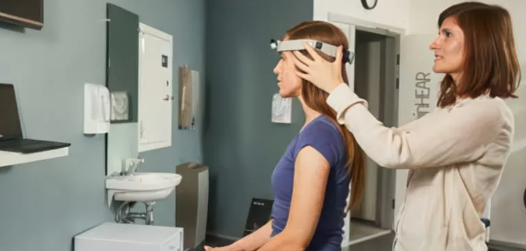
Families facing a home that has become unsafe, cluttered, or hard to manage often reach a point where they are not sure what to do next. The home might belong to an aging parent, a relative dealing with hoarding, or someone who has simply fallen behind on upkeep. At that stage, the focus often shifts from simply clearing the space to determining whether the home can be made safe and manageable again or whether other options need to be considered.
A Stabilization Evaluation Assessment provides a structured way to make that determination. It is a professional review of the home’s condition, designed to give families clarity before they spend money or make decisions under pressure. Instead of relying on guesswork, families get a clearer picture of what needs to happen, what the process may involve, and what it will take to move forward.
What is a Stabilization Evaluation Assessment
A stabilization evaluation assessment is a professional review that examines whether a home can continue to be lived in safely. Trained specialists look at the physical condition of the property, along with any health, safety, or functional concerns that stand in the way of safe daily living.
The assessment is not a general home inspection. It is focused specifically on determining what would need to change for the home to support continued living, and whether that change is realistic given the family’s situation.
At its core, the assessment determines whether the home can be stabilized and remain a safe place to live or whether the situation calls for a different path. That distinction matters because it shapes every decision that follows, from budgeting and timelines to the practical next steps.
Who Needs a Stabilization Evaluation Assessment
Not every family situation calls for this kind of assessment, but several common scenarios make it especially useful.
- Families dealing with hoarding conditions: When clutter has reached a level that affects safety or sanitation, an outside evaluation helps clarify how serious the situation actually is.
- Aging parents whose home has become unsafe: Mobility issues, deferred maintenance, or health decline can quietly turn a familiar home into a hazard.
- Homes with unsanitary or hazardous conditions: Mold, pest infestations, or blocked exits are the kind of issues that need a clear, honest evaluation rather than assumptions.
- Families unsure if a loved one can live independently: When there is disagreement or uncertainty within the family, a neutral, professional assessment removes the guesswork.
These situations share one thing in common. They all involve a decision that is too important to make on a hunch, and a proper assessment gives families the facts they need to move forward with confidence.
What a Stabilization Evaluation Assessment Includes
A thorough assessment does more than point out problems. It gives families a working plan they can actually use.
- A recommended scope of work: A clear outline of what needs to be done, so nothing important gets missed or misjudged.
- Estimated project costs: Realistic cost range, so families can plan financially instead of being surprised later.
- Recommended staffing and timeline: Guidance on what kind of help is needed and how long the work is likely to take.
- Clearly prioritized phases: A logical order of operations, starting with the most urgent issues first.
- Identification of urgent health and safety concerns: Direct flag on anything that poses an immediate risk to the people living there.
- Budget-friendly options: Practical choices that fit within what the family can actually afford, rather than a one-size-fits-all plan.
Together, these elements turn a stressful, uncertain situation into a manageable plan with clear next steps.
How the Assessment Process Works
The assessment generally follows a consistent sequence, even though the specific findings differ from home to home.
Initial Contact and Information Gathering
The process usually begins with a conversation. Families share background on the home, the concerns driving the request, and any relevant health or living circumstances. This early information helps specialists understand what to look for before the evaluation even begins.
The Home Evaluation
Next comes the actual review of the property, which can be done virtually through submitted photos or in person, depending on the situation. Specialists look closely at safety hazards, sanitation issues, structural concerns, and anything that affects whether the home can function as a safe living space.
Review and Reporting
Once the evaluation is complete, findings are compiled into a clear, organized report. This report lays out the scope of work, cost estimates, priorities, and recommendations in language families can actually understand and act on.
Major Factors That Influence the Assessment
Several variables shape how an assessment unfolds and what it ultimately recommends.
- Severity of clutter or hoarding conditions: More severe conditions generally require a more detailed and cautious evaluation.
- Structural and safety hazards: Issues like faulty wiring, mold, or blocked exits carry more weight in the final recommendations.
- Health and mobility needs of the resident: A resident with limited mobility changes what “safe” actually looks like in practice.
- Family budget and timeline: Financial constraints often shape which options are realistic versus which ones are ideal.
- Local regulations or code requirements: Certain repairs or changes may be required to meet safety and housing codes.
These factors do not just influence the findings. They directly shape which path, staying or transitioning, makes the most sense for that specific family.
What Happens After the Assessment
Once the assessment is complete, families are left with a clear decision point. In some cases, the report shows that stabilization is realistic, and the home can be brought back to a safe, livable condition with the right plan in place. In other cases, the findings point toward a different outcome, where relocating or transitioning to another living situation makes more sense than continuing to invest in the property.
Either way, the assessment does not leave families guessing. Companies like LifeCycle Transitions built their Stabilization Evaluation Assessment™ around this exact need, giving families a structured next step instead of an overwhelming list of unknowns.
Effective Tips for Preparing for Your Assessment
A little preparation can make the assessment process smoother and more accurate.
- Gather any past inspection reports or relevant medical documentation ahead of time.
- Be honest about the full scope of the home’s condition, even the parts that feel uncomfortable to share.
- Involve family members early, so everyone understands the process and the reasoning behind decisions.
- Ask questions about timeline and cost upfront, so there are no surprises once the plan is set.
Walking in prepared helps specialists give a more accurate assessment from the start. It also reduces stress for the family, since expectations are set clearly before the process begins.
See also: The Benefits of Cloud Storage for Businesses
Important FAQs
How long does a stabilization evaluation assessment take?
Timelines vary based on the size and condition of the home, but most assessments are completed within a few days to two weeks. Virtual assessments using submitted photos are often faster than in-person evaluations.
Is the assessment done in person or virtually?
Both options are typically available. A virtual assessment uses submitted photos of affected areas, while an in-person visit allows specialists to evaluate the property directly for more complex situations.
What happens if the home cannot be stabilized?
If stabilization is not realistic, the assessment report will outline alternative paths, such as downsizing, relocating, or preparing the property for sale, so the family has a clear next step.
Bottom Line
A stabilization evaluation assessment exists to remove guesswork from one of the hardest decisions a family can face. By combining a professional home evaluation with a clear scope of work, cost estimates, and prioritized next steps, it gives families the clarity to move forward with confidence instead of uncertainty.
For families facing this exact crossroads, LifeCycle Transitions built their Stabilization Evaluation Assessment™ specifically to answer whether a home can be made safe again. Their process turns an overwhelming situation into a clear, actionable plan through a stabilization evaluation assessment.
If you are facing this same crossroads with a loved one’s home, a stabilization evaluation assessment from LifeCycle Transitions can bring clarity before any decision is made.
Read More: What To Expect When A Hoarders Cleaning Crew Arrives At Your Home
