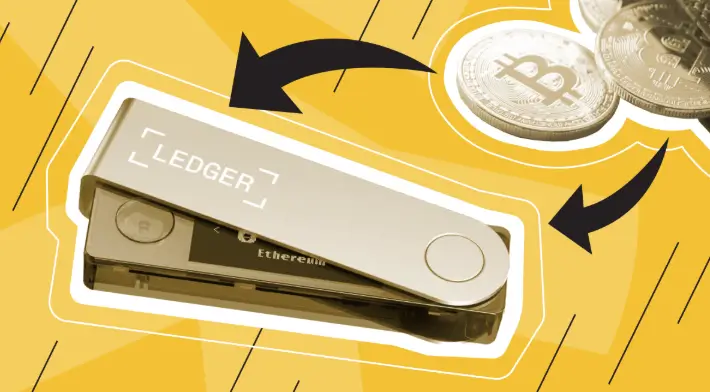
Crypto cold storage wallets keep private keys offline to minimize online risk. They rely on air-gapped devices, hardware wallets, or paper records to sign transactions without exposing keys to networks or malware. The approach emphasizes strict procedures, robust recovery plans, and clear governance. Choices vary in security, usability, and cost, making careful assessment essential. A disciplined setup invites questions about safeguarding procedures, contingency measures, and the practical limits of offline custody. The next step outlines options and criteria.
What Is Crypto Cold Storage and Why It Matters
Crypto cold storage refers to keeping cryptocurrency private keys offline, isolated from any connected devices or networks. This separation reduces exposure to online threats, yet introduces trade-offs in accessibility and control.
The discussion outlines security implications and emphasizes preparation, contingency plans, and recovery strategies. While sacrificing convenience, disciplined governance and secure custody practices enhance resilience, empowering individuals pursuing financial autonomy with prudent risk management.
Cold Storage Options Compared: Hardware Wallets, Paper Wallets, and Offline Methods
Cold storage strategies vary in how keys are generated, stored, and retrieved, with hardware wallets, paper wallets, and offline methods each presenting distinct risk profiles and operational trade-offs.
A hardware wallet provides secure, device-bound signing; paper wallets rely on offline recordkeeping; air gapped methods emphasize isolation.
Each option requires disciplined handling, clear recovery plans, and risk-aware workflow to preserve freedom.
See also: The Benefits of Cloud Storage for Businesses
How to Choose Your Cold Storage: Security, Usability, and Cost Criteria
Assessing cold storage options requires a structured view of three core criteria: security, usability, and cost. The evaluation should emphasize security testing, risk detection, and defense depth without overreliance on nominal features.
Usability matters for consistent practice and recovery robustness.
Balance upfront expense against long-term resilience, vendor transparency, and verifiable safeguards to preserve autonomy and minimize exposure to loss.
Set Up Cold Storage Now: Step-by-Step Guide and Recovery Best Practices
Having established the framework for evaluating cold storage options through security, usability, and cost, the next step is to implement a practical setup. The guide outlines a disciplined sequence: secure device prep, offline backups, and seed phrases stored separately. A security audit informs configurations, while a recovery checklist ensures resilience. Avoid single-point failures; validate seed integrity and maintain redundancy.
Conclusion
Cold storage preserves autonomy by separating keys from the internet, yet introduces risk through physical loss, damage, or human error. Juxtaposing permanence with fragility, it offers fortress-like resilience against digital threats while demanding meticulous procedures and rehearsed recovery. A disciplined approach favors redundancy over convenience, and clear governance over vague trust. Measured caution, not bravado, secures long-term wealth: safeguard backups, verify integrity, and practice recovery until execution becomes automatic, even when devices fail or routes change.


 By
By